I got an email in my inbox yesterday warning me about flood risks and home insurance. Coincidentally, the APR group chat was discussing the proposed redesign of FEMA’s role and the proposed buyouts in North Carolina.
A few weeks ago we had a big storm in south-west Wisconsin. My parents lost power and the basement flooded because the pump was out for a few hours; a sister-in-law sent photos to the family group chat of a car floating down the street outside her house. We’re only a bit over an hour from there, but enough into the Driftless that the major impact to my house is the rain barrel is now full. I’m grateful for that quirk in geography – and for the familiarity with flooding that made drainage a more-pressing-than-usual concern when house-hunting.
Because summer is the time for flash floods. And with the increase in the frequency and intensity of severe weather events – data which persists even if an executive order prohibits the use of the phrase climate change – those flash floods will likely happen more often. Which means more people needing flood insurance and fewer years in which insurance companies make money off that insurance, driving premiums up. And when those premiums become unaffordable, people can’t afford mortgages and homeowners who are free and clear and opt out of flooding insurance are receive only disaster aid money rather than insurance reimbursement. With the buyouts (not in and of themselves a bad thing!), the proposed policies end up as economically leveraged retreat. Which is not the same as managed retreat, because there is no help with relocation, no option for communities to stay together – and no admission that climate adaptation is a real and present necessity.
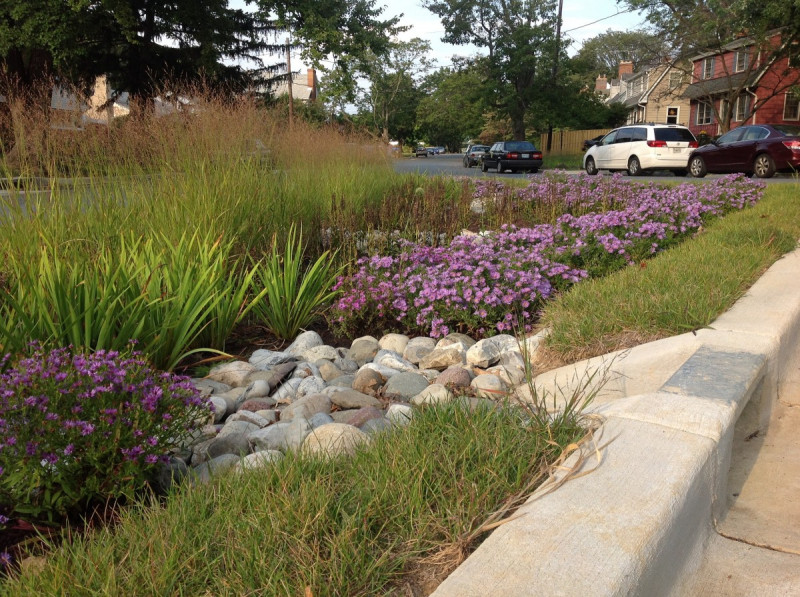
It’s a bit bleak. But it’s not all bleak. I’m reading about the history of the National Flood Insurance Plan to know more about the current state of it, and knowledge is always good. I’m going to have a short blurb about disaster mitigation in the summer issue of Wisconsin Gardens, because y’know what? Gardening can be effective mitigation. Rain gardens help absorb runoff and prevent flash flooding while also adding beauty and wildlife habitat. I think we could all benefit from deliberately adding a little more resilience and beauty to the world.

